Maida Vale rubbish permits and fines explained
Posted on 06/07/2026
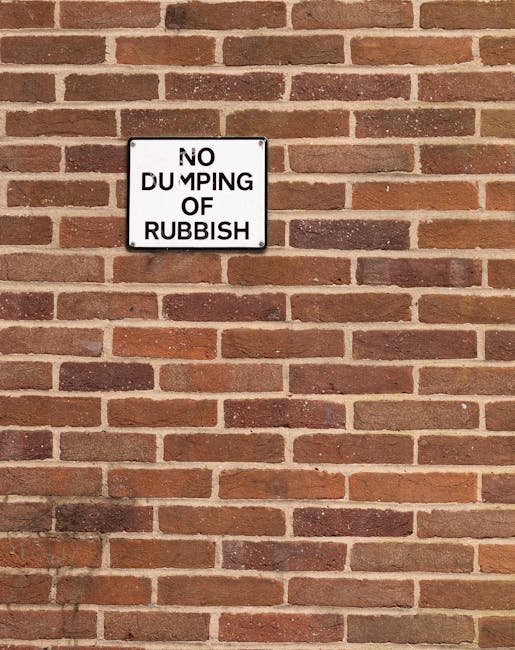
If you live, work, or manage property in W9, rubbish can become awkward fast. One skipped rule, one unlicensed skip, or one bin left in the wrong place can turn a simple clear-out into a fine, a delay, or a very annoying back-and-forth with the council. This guide to Maida Vale rubbish permits and fines explained breaks it all down in plain English so you can stay compliant without overthinking every detail.
We'll look at when permits are needed, what usually triggers fines, how to avoid the common mistakes, and which options make sense for homes, landlords, builders, and businesses. Truth be told, most problems here are preventable. You just need the rules to be clear.
For a broader local context on the area, you may also find it useful to read the Maida Vale council rules guide for household rubbish in W9 alongside this article.
Why Maida Vale rubbish permits and fines explained matters
Maida Vale is a dense part of west London, with narrow streets, controlled parking, shared mews access, and a lot of properties where kerb space is limited. That alone makes rubbish disposal less forgiving than in a suburban driveway situation. A small pile of waste outside a property can block pedestrians, upset neighbours, or attract enforcement if it sits there too long.
Permits matter because they are usually the difference between a lawful job and a costly mistake. If you need a skip on the public highway, or you're setting something down where it affects parking or access, the rules are stricter than many people expect. And fines? They tend to appear when waste is left out improperly, fly-tipped, placed in the wrong container, or handled by someone who is not properly authorised.
Let's face it: most people are not trying to break any rules. They're just trying to get rid of a sofa, some builder's rubble, or a post-renovation mess before the weekend. But the local reality is still the local reality, and if you ignore it, the costs can climb quickly. That's why understanding the basics up front saves time, stress, and often money.
Quick takeaway: if your waste touches the pavement, road, shared access way, or a controlled loading area, check the permit and enforcement angle before you book anything. Small jobs can become expensive very quickly when access is tight.
How Maida Vale rubbish permits and fines explained works
In practical terms, the system is about three things: where the waste goes, how long it stays there, and who is responsible for it. In Maida Vale, that can involve household waste set out for collection, bulky items, skip placements, builder's waste, or waste removed by a private clearance team. The right approach depends on the size of the job and whether anything enters the public space.
Here's the simple version. If waste remains entirely within private property and is collected properly, the process is usually straightforward. If it needs a skip, a temporary obstruction, or staged loading from the street, extra permissions may be needed. If rubbish is dumped, left for too long, or handled badly, enforcement can follow. Not always immediately, but it can happen.
The most common risks are:
- placing a skip without the necessary highway permission
- leaving bulky items on the street or pavement for too long
- using an unlicensed waste carrier
- failing to separate household waste from builders' rubble or hazardous materials
- causing obstruction to pedestrians, residents, or emergency access
The key point is that permits are not just paperwork. They are part of managing safety, access, and public space. In a place like Maida Vale, where one badly positioned item can narrow the whole street, that matters more than people think.
For more context on how collections and access can affect timing, see what to know about access issues for Maida Vale rubbish jobs and how to avoid delays in rubbish pickup.
Key Benefits and Practical Advantages
Getting permits and disposal right sounds like a chore, but there are real advantages.
- You avoid avoidable fines. This is the obvious one, but it's still the biggest win. A mistake that costs little to fix today can cost a lot more once enforcement gets involved.
- You keep the street clear. In Maida Vale, a tidy, controlled setup is much easier on neighbours and passers-by.
- You reduce delays. Proper planning prevents the classic "we can't collect that yet" situation.
- You improve safety. Less clutter means fewer trip hazards, fewer blocked gates, and fewer access issues. Simple, but important.
- You protect your reputation. That matters for landlords, estate managers, builders, and office operators alike.
There's also a quieter benefit: peace of mind. When you know the disposal route is lawful, you are not looking over your shoulder or waiting for a complaint email that arrives on a rainy Wednesday afternoon. Nobody enjoys that message. Nobody.
Who This Is For and When It Makes Sense
This topic applies to more people than you might think. If you are in Maida Vale and dealing with any of the following, the permit and fines issue matters to you:
- homeowners clearing a flat, loft, or basement
- renters putting out bulky items after a move
- landlords handling end-of-tenancy rubbish
- property managers organising communal clearance
- builders and tradespeople removing rubble, plasterboard, or packaging
- offices disposing of furniture, IT waste, or archive material
It makes particular sense when the waste is too large for normal bins, when parking is tight, or when the job will involve temporary obstruction. If you're working from a terraced conversion, a mansion block, or a property with limited rear access, you may need to think harder than usual about the logistics.
A small example: a flat on a busy street might seem easy because the waste is "just outside for ten minutes." But if the item sits on the pavement, blocks a bay, or needs to be moved several times, the situation changes. That's where people get caught out.
If you're planning a bigger tidy-up, related services such as house clearance in Maida Vale, furniture disposal, or builders waste disposal may be more suitable than a one-off DIY approach.
Step-by-Step Guidance
Here's a practical way to handle rubbish disposal in Maida Vale without drifting into trouble.
- Identify the waste type. Is it household rubbish, bulky items, garden cuttings, office waste, or construction debris? The category matters because the handling rules differ.
- Check whether the waste stays on private property. If everything is kept within your boundary and collected directly, the process is usually simpler. If it needs to go on the street, pause and assess the permit angle.
- Decide if a skip, van load, or direct collection is the right fit. A skip may suit long projects, but in tighter streets it can require more planning. A direct collection may be more efficient for mixed household items.
- Think about timing and access. If the area is busy, parking is restricted, or you're near a station route or main road, factor that into the booking. Mid-morning or school-run periods can be awkward, to be fair.
- Use a licensed waste carrier. This is non-negotiable. If waste is dumped illegally after being collected, responsibility can come back to you if you failed to check who was handling it.
- Keep paperwork and details. Save booking confirmations, collection notes, and any permit references. It is boring admin, yes, but it helps if anything is questioned later.
- Separate anything problematic early. Hazardous items, sharp objects, electricals, and heavy builders' waste may need special handling. Don't wait until the last minute.
- Inspect the area after collection. Make sure no debris remains, especially screws, glass, or broken fragments on paths and kerbs.
If you are managing a mixed job, it can help to browse the broader services overview before deciding which route fits best. Sometimes the right answer is not the cheapest-looking one. It's the one that prevents a repeat visit.
Expert Tips for Better Results
Over time, a few habits tend to save the most hassle.
- Measure before you book. Bulky waste often looks smaller in the room than it does on the pavement. A quick measurement of sofas, wardrobes, or rubble bags can stop a bad estimate.
- Plan for access, not just disposal. A job can fail because of a locked gate, a narrow stairwell, or a van that cannot stop safely. The waste itself may be fine; the access is the problem.
- Keep neighbours informed. A short heads-up helps if bins need moving, if a parking space is being used, or if noisy lifting is likely. It sounds old-fashioned, but it works.
- Bundle similar waste together. Mixed waste can be harder and more expensive to handle. A little sorting goes a long way.
- Use proper disposal routes for specialist items. Fridges, mattresses, and trade waste often need different treatment from a few bags of loft clutter.
One small real-world observation: the cleanest jobs are rarely the luckiest ones. They are the ones where someone spent ten minutes thinking ahead while the kettle was boiling. That's it. That's the secret, more or less.
For readers trying to keep costs predictable, this guide to avoiding hidden charges in Maida Vale rubbish removal is a useful companion piece.
Common Mistakes to Avoid
This is where many people trip up, usually because they are trying to move too quickly.
- Assuming a skip never needs permission. If it goes on a public road or affects parking, that assumption can backfire.
- Leaving rubbish outside too early. Putting items out long before collection increases the risk of complaints, obstruction, or weather damage.
- Ignoring mixed waste rules. Household rubbish and builders' waste are not always treated the same way.
- Using "cheap" collectors without checking credentials. Low prices can hide poor practice. Not always, but often enough to be a problem.
- Overloading bags or bins. Heavy, unsafe containers are awkward to move and can fail collection.
- Forgetting about permits for shared areas. Estate roads, communal entrances, and managed access zones can have extra rules.
Another common one? People think a minor issue will sort itself out. It rarely does. A bag in the wrong place becomes a complaint. A complaint becomes a note. A note becomes a fine or a forced move. It escalates faster than people expect.
Tools, Resources and Recommendations
You do not need a specialist toolkit to deal with rubbish properly, but a few basic resources help a lot.
- Measurement tape or laser measure. Handy for bulky furniture and access checks.
- Phone camera. Take a quick photo of the waste area, access route, or any existing obstruction before collection.
- Simple checklist. Write down the waste type, number of items, likely access constraints, and preferred collection day.
- Bagging and labelling supplies. Useful for small mixed clear-outs and easier sorting.
- Secure payment method and booking record. Keep things traceable. A confirmation email is worth more than people think.
If you are comparing service routes, pricing and quotes and waste collection in Maida Vale are sensible starting points. For ongoing sustainability habits, you may also want to read the site's recycling and sustainability information.
And if you are simply trying to understand the company behind the service, the about us page gives a straightforward overview of who they are and how they work.
Law, Compliance, Standards, or Best Practice
Without drifting into legal jargon, the basic compliance principle is this: waste must be managed safely, lawfully, and by someone properly authorised to handle it. That includes avoiding illegal dumping, preventing nuisance, and not blocking public access. In practice, that means checking who is removing the waste, where it is going, and whether any temporary placement is allowed.
For builders and trades, compliance expectations are usually stricter because construction waste tends to be heavier, messier, and more likely to affect footpaths or parking bays. For households, the rules are often simpler, but that does not mean they are loose. A tidy flat clearance still needs care if items go through shared areas or onto the street.
Best practice in Maida Vale usually includes:
- keeping waste on private land whenever possible
- booking collections that match the actual waste type
- checking permit needs before using the highway
- choosing a waste carrier with clear traceability
- avoiding overfilled, unsafe, or unsecured loads
If your job involves furniture, commercial material, or a more complex clear-out, the relevant service page can help you choose a more suitable method, such as office clearance in Maida Vale or furniture disposal in Maida Vale. That reduces the risk of treating a regulated job like a casual bin run.
Options, Methods, or Comparison Table
Different disposal methods suit different situations. Here's a simple comparison to help you judge what's practical.
| Method | Best for | Potential permit/fine risk | Typical drawback |
|---|---|---|---|
| Kerbside set-out | Small household items awaiting collection | Medium if left too early or placed badly | Can cause complaints or obstruction |
| Skip hire | Renovations, larger projects, mixed bulky waste | Higher if it sits on the highway without permission | Space and access can be tight in Maida Vale |
| Man and van collection | Furniture, mixed household junk, quick clear-outs | Lower when managed correctly | Needs good scheduling and access planning |
| Builder's waste removal | Trade waste, rubble, refurb debris | Medium to high if not sorted or permitted properly | Heavy waste may need special handling |
| Garden waste removal | Pruning, soil, green cuttings | Low to medium depending on set-out and volume | Wet or bulky green waste can be awkward |
In Maida Vale, the safest choice is often the one that minimises time on the street. That's the practical test. If one option keeps everything tidy, direct, and traceable, it usually beats a more complicated setup.
Case Study or Real-World Example
Picture a two-bed flat off a busy Maida Vale street. The residents are moving out on Friday, the sofa will not fit in the lift, and there are several black bags, a broken bookcase, and an old dining chair waiting to go. The first instinct is to place everything outside on Thursday evening and hope for the best.
That is exactly where problems start. The bags sit in the communal walkway, the chair blocks part of the pavement, and a neighbour complains because the route to the bin store is narrowed. By morning, the job is no longer just a clearance. It is a potential enforcement issue.
A better approach would be to:
- confirm whether the waste can be removed directly from inside the property
- measure the biggest items before booking
- avoid leaving anything outside overnight
- use a service that can collect at a controlled time window
- keep the access route clear for other residents
Once that happens, the clear-out becomes a clean, one-visit job. Less drama, fewer complaints, and no awkward chat with the managing agent. Honestly, those are good outcomes for a Friday.
Situations like this are common near transport links and busy residential streets. If that sounds familiar, the Maida Vale Station rubbish collection guide can give you a better sense of local access and timing pressures.
Practical Checklist
Use this before you book or put any rubbish outside.
- Have I identified the waste type clearly?
- Will any part of the job use a pavement, road, or shared access area?
- Do I need a permit or special permission?
- Have I checked the size, weight, and volume of the waste?
- Is the waste carrier properly authorised?
- Have I set a collection time that avoids unnecessary street exposure?
- Have I told neighbours, tenants, or building managers if needed?
- Are there any hazardous or awkward items to separate?
- Have I kept booking details and written confirmation?
- Do I know where the waste is going after collection?
If you can tick all of those off, you are in a much safer place. If not, pause and sort the weak spots first. It takes less time than fixing a mistake later.
Conclusion
Maida Vale rubbish rules are not impossible, but they do reward planning. Permits become relevant whenever public space, access, or obstruction is involved, and fines usually follow avoidable mistakes: poor placement, bad timing, unlicensed collection, or simply not checking the rules early enough. Once you understand the rhythm of the area, the process becomes much easier to manage.
The real win is not just avoiding penalties. It is getting the job done cleanly, with less stress, fewer delays, and no messy surprises. In a neighbourhood like Maida Vale, where space is valuable and streets are busy, that approach just makes sense. A little care upfront saves a lot of bother later on, and that's about as practical as it gets.
Get a free quote today and see how much you can save.

 Tipper Van - Rubbish Clearance and Waste Collection Prices in Maida Vale, W9
 Luton Van - Rubbish Clearance and Waste Collection Prices in Maida Vale, W9


