Common problems booking Maida Vale rubbish collection
Posted on 02/06/2026
Booking rubbish removal sounds simple enough. Pick a time, describe the waste, get a price, and let someone carry the heavy stuff away. But in real life, especially in a busy London neighbourhood like Maida Vale, a few common problems can get in the way. Slots disappear, access is tighter than expected, quotes change, and the wrong type of waste can create delays right when you need the job done quickly.
This guide breaks down the common problems booking Maida Vale rubbish collection, why they happen, and how to avoid the usual headaches. If you're clearing a flat near Maida Vale Station, sorting a builder's skip alternative, or just trying to get rid of a sofa without drama, the practical advice below should help. And yes, a few of these issues are annoyingly ordinary. That's the point.
Why common booking problems matter
Let's face it: rubbish builds up at the worst possible time. A tenancy ends, a renovation overruns, the old wardrobe won't fit down the stairs, or a garden clear-out turns into a mountain of bags and branches. When booking goes wrong, the problem is rarely just inconvenience. It can lead to wasted time, blocked hallways, missed access windows, extra charges, and in some cases, the waste sitting around longer than you wanted.
In Maida Vale, where many homes are in mansion blocks, converted flats, or properties with narrow access, the booking stage matters more than people expect. A collection that works perfectly for a ground-floor house in another part of London may be awkward here. You may need to think about parking, loading distance, lift access, resident permits, concierge timings, shared courtyards, or the simple fact that a bulky item has to pass through a tight staircase.
That is why the main booking problems are worth understanding before you request a collection. You are not just buying someone to take things away. You are buying a process: timing, communication, access planning, lifting, loading, and disposal. If one part is off, the whole thing can wobble a bit.
For people comparing local services, it also helps to understand the broader options first. A good place to start is the services overview, which gives a clearer picture of the different collection types available, and the pricing and quotes information if budget is part of the decision.
How rubbish collection booking works in Maida Vale
The booking process is usually straightforward on paper. In practice, there are a few moving parts. Most people will need to provide a waste description, photos if possible, an address, access details, and a preferred time slot. A provider then estimates the job based on volume, weight, type of waste, and how much labour is likely to be involved.
Here is where people often trip up: the first description is too vague. "A few bits and pieces" could mean a couple of bin bags, or it could mean a dismantled bed, three bookcases, a broken treadmill, and a stack of old office files. Those are not the same job. Not even close.
Collection teams also need to know whether the waste is general household rubbish, bulky furniture, garden waste, builders' debris, office clearance material, or mixed waste. Some items may need separate handling. A mattress, for instance, is very different from a bag of cardboard. If the booking team does not know what they are dealing with, the price and timing can both shift later on.
If the waste is from a renovation or refurbishment, the situation gets even more specific. Mixed rubble, timber offcuts, plasterboard, and packaging may each affect how the collection is planned. For that reason, many people in the area choose to check the dedicated builders waste disposal in Maida Vale option rather than treating construction debris like ordinary household rubbish.
A common local issue is access. Some Maida Vale streets are busy, some properties have limited stopping space, and some blocks only allow collections at certain times. That means the best booking is the one that explains the site properly from the beginning. A few extra details now can save an awkward phone call later. Truth be told, this is where most avoidable problems start.
Key benefits and practical advantages
Getting the booking right has very real payoffs, even if the job itself is just "get rid of the old stuff." A clean booking process usually means a quicker collection, fewer surprises, and less time spent chasing updates. That alone can be a relief when you are already dealing with a move, a sale, a refurbishment, or a family clear-out.
There are also practical benefits that are easy to overlook:
- Better pricing accuracy because the provider has the right details from the start.
- Less disruption for neighbours, concierge teams, or tenants.
- Faster turnaround when access and waste type are clear.
- Lower risk of rejected loads when restricted items are identified early.
- More suitable vehicle selection for bulky or mixed waste.
There is a quieter benefit too: peace of mind. If you know the collection is booked properly, you stop second-guessing every detail. You are not wondering whether the team will come, whether they can lift the sofa, or whether they will charge more because the item is larger than expected. That calm, oddly enough, is worth a lot.
For readers planning a fuller clearance, services like house clearance in Maida Vale, furniture disposal, or office clearance can be more efficient than booking one-off removals for every item. It depends on what you need cleared, but that comparison is worth making before you book.
Who this is for and when it makes sense
This topic matters to more people than you might think. It is not just for landlords or builders. In fact, some of the trickiest bookings come from ordinary everyday situations: a tenant moving out, a couple replacing furniture, someone finally tackling a garage after years of saying they will do it "this weekend," or a small business clearing storage after an office move.
It makes sense to understand these booking issues if you are:
- a homeowner dealing with bulky household waste
- a tenant needing a quick end-of-tenancy clear-out
- a landlord preparing a property between lets
- a managing agent arranging a communal clear-up
- a shop, studio, or office that needs compliant disposal
- a contractor producing building or renovation waste
- a resident with limited access, no lift, or awkward parking nearby
It also makes sense if you are comparing collection types. For example, garden waste is one thing, while a mixed domestic clear-out is something else entirely. If you are dealing with branches, soil, hedge cuttings, or green bags, the garden waste removal page is more relevant than a standard rubbish booking. Likewise, if you are clearing a few chairs, a bookcase, or a sofa, the furniture route may be the cleaner option.
And if you are reading this because your flat near the station is packed and the clock is ticking, you are very much in the right place. The booking issues discussed here tend to show up most often in time-sensitive jobs. Rushing helps nobody.
Step-by-step guidance
If you want a smoother booking, start with the basics and build from there. The sequence matters more than people think.
- List the waste clearly. Write down what needs removing, item by item if possible. Include bulky pieces, bagged waste, and anything unusual.
- Add photos. A few photos usually improve quote accuracy and reduce back-and-forth. They also help the team understand access and stacking.
- Check access details. Mention stairs, lifts, loading bays, parking restrictions, concierge rules, gated entrances, or narrow hallways.
- Separate restricted items early. Some waste streams need special handling, so do not leave them hiding at the bottom of the pile.
- Ask what the quote includes. Loading, labour, disposal, and any access-related assumptions should be clear. No one likes a surprise later.
- Choose a slot that fits the site. A time that sounds fine on paper may not work if your block gets busy at school run time or there is no legal stopping space at lunch.
- Confirm the final details in writing. Address, item list, date, and any special instructions should be locked in before the collection day.
A small but useful habit is to stand in the doorway and look at the waste as if you were the collection team. Can they carry it easily? Is there enough room to turn it? Will the lift take the item if it cannot go down the stairs? That quick mental check can prevent a lot of faff.
If you want to understand how the local route and access details can affect timings around the neighbourhood, the Maida Vale Station rubbish collection guide is a helpful companion piece. It fits nicely with this topic because local logistics often shape booking success.
Expert tips for better results
From an operational point of view, the best bookings are the ones that remove guesswork. The more guesswork there is, the more likely something goes sideways. Not dramatically. Just enough to be annoying.
Here are the habits that usually help most:
- Be specific about quantity. "One three-seater sofa, two armchairs, six bin bags" is much better than "a bit of furniture and some rubbish."
- Flag tight access early. If there is a steep stairwell, a small lift, or no convenient stopping point, say so immediately.
- Ask about time windows, not just dates. A two-hour window is often more practical than a vague "afternoon."
- Clarify whether lifting is included. Most people assume it is, but it should still be confirmed.
- Keep items accessible. If possible, place waste in one area before the team arrives so they can load efficiently.
- Choose the right service type. Specialist jobs like furniture, garden waste, or office clearances tend to run better when booked as such.
One of the most common local frustrations is hidden or misunderstood cost. If you want a deeper look at that side of things, the guide on avoiding hidden charges in Maida Vale rubbish removal is particularly relevant. It covers the kind of detail that saves people from awkward last-minute conversations.
Another sensible move is to compare the operator's service approach with your own priorities. If you care about recycling, reuse, and responsible disposal, make that clear. A decent provider should be able to explain how mixed waste is handled in broad terms, and what happens to reusable items. The wording should be plain, not polished into fluff.
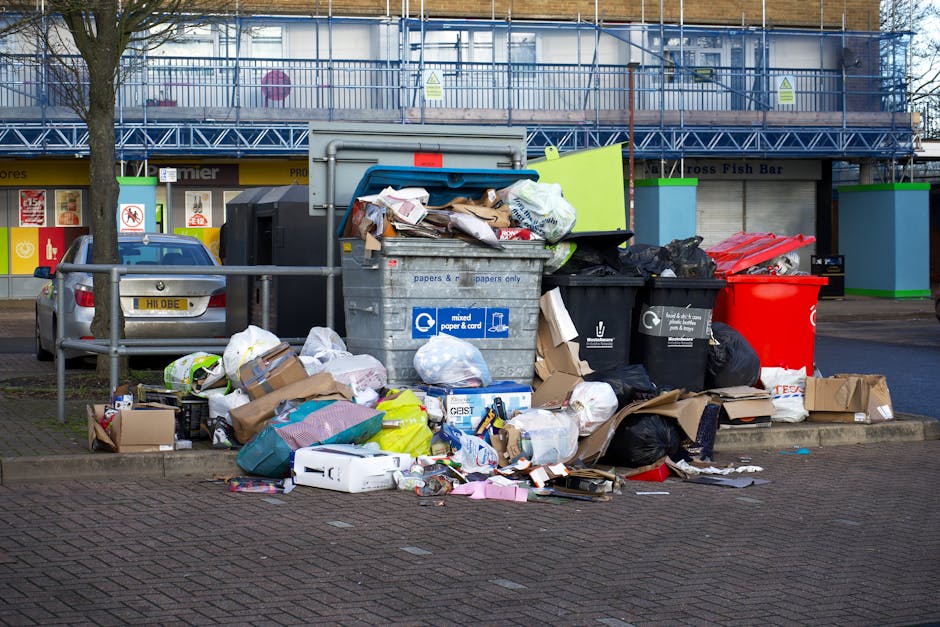
Common mistakes to avoid
The biggest booking mistakes are rarely technical. They are usually communication mistakes. And to be honest, they happen because people are in a hurry.
- Underestimating the amount of waste. A pile that looks "small enough" often fills a van surprisingly fast.
- Forgetting access details. A job that looks simple can become difficult if the team cannot park close by.
- Mixing different waste types without warning. Builders' rubble, green waste, and furniture should not be described as one generic pile.
- Assuming all items are acceptable. Some materials need special handling or cannot be taken in the same way as ordinary household waste.
- Leaving the booking too late. This is especially risky around moves, refurbishments, or busy weekends.
- Not reading the service terms. The fine print is boring, yes, but it answers a lot of questions before they become problems.
One tiny example: a resident books a collection for "old furniture," but the job includes a sofa, a broken wardrobe, a mattress, and several bagged items from a loft clear-out. The team arrives expecting one type of load and finds another. The result may be a revised quote or a delay. Nobody enjoys that conversation, least of all on a rainy Tuesday morning.
If you are comparing options for larger clearances, it can help to look at the specific service instead of forcing everything into a general booking. For example, a full property clearance is not the same as a one-off sofa removal. The difference matters.
Tools, resources and recommendations
You do not need fancy tools to book waste collection properly. The useful "tools" are mostly practical habits and a few good reference pages on the same site.
- Waste collection in Maida Vale for a general starting point.
- Recycling and sustainability if you want to understand responsible disposal values.
- Payment and security for reassurance around the booking process.
- Insurance and safety if access, lifting, or property protection matters.
- About us to learn more about the people behind the service.
A few simple recommendations go a long way:
- Take clear photos in daylight where possible.
- Measure oversized items roughly, especially if they need carrying through doors or stairwells.
- Keep a short list of "must remove" items and "if there's space" items.
- Check whether your building needs notice before collection day.
- Save the booking confirmation somewhere easy to find, not buried in 400 other emails.
If your job is specifically about disposing of a large item, the service page for furniture disposal in Maida Vale can help you match the request to the right service. That kind of match-up is often what separates a smooth collection from a clunky one.
Law, compliance and best practice
For waste collection, compliance should be taken seriously, even if the job is small. In the UK, waste handling is not just a question of convenience. It involves proper disposal, safe handling, and responsible transfer of materials. For customers, the key thing is to choose a provider that acts sensibly and can explain its process clearly.
Best practice usually includes:
- accurate description of the waste before booking
- careful handling of items during collection
- appropriate sorting of recyclable and non-recyclable material where possible
- respect for property, neighbours, and shared areas
- clear service terms and payment expectations
For business customers, office clearances may raise extra concerns around records, equipment, or sensitive materials. That is why it is sensible to use a service that makes its terms clear and does not gloss over practical details. If you are clearing a workplace, the office clearance option is likely more relevant than a standard household booking.
There is also a trust element. A company that publishes its policies openly, such as privacy policy, terms and conditions, and accessibility statement, shows the kind of transparency many customers want before handing over an address, payment details, and access instructions. That does not solve every issue, of course, but it is a good sign.
Options and comparison table
Choosing the right booking method often depends on the type of waste, the access, and how much help you need. Here is a practical comparison.
| Option | Best for | Typical strengths | Common drawbacks |
|---|---|---|---|
| General rubbish collection | Mixed household waste and day-to-day clear-outs | Flexible, quick, often easy to arrange | Can become inaccurate if waste is described too loosely |
| Furniture disposal | Sofas, tables, wardrobes, mattresses, and similar bulky items | Good fit for large single items or small furniture sets | Access issues matter more because items are bulky |
| House clearance | Whole rooms, end-of-tenancy jobs, or full property clear-outs | Efficient when many items need removing together | Needs stronger planning and clearer item lists |
| Office clearance | Desks, chairs, archive clutter, and workplace waste | Useful for business moves or refurbishments | May involve timing constraints and building access rules |
| Garden waste removal | Cuttings, branches, soil, and outdoor clean-up | Simple if kept separate from other waste types | Mixed loads can complicate booking |
In short, the best option is the one that matches the waste, not the one that sounds quickest in the moment. A small mismatch now can become a bigger hassle later. Especially in a place with real-world access constraints like Maida Vale.
Real-world example
Imagine a family in Maida Vale clearing a flat after a long tenancy. There is a sofa that will not fit comfortably in the lift, a dining table, four chairs, several bin bags, and a broken chest of drawers. They book too quickly, say only "furniture and rubbish," and forget to mention that the building has tight stair access and no easy parking on the road outside.
When the collection team arrives, they can still do the job, but the plan needs adjusting. The team has to assess how the items will come out, check the route, and work around the access challenge. If the booking had included better detail, the visit would likely have been smoother and the pricing more accurate from the start.
Now compare that with a better-prepared booking: photos sent in advance, a clear list of items, building access explained, and a note about the sofa dimensions. The team arrives with the right expectations. The job still takes effort, because these things always do, but it is clean, efficient, and far less stressful. That is the difference booking prep makes.
For local readers around busier routes, a neighbourhood-specific guide like Sutherland Avenue bulky rubbish pickup can also be useful, because the same access and timing issues often show up street by street, not just postcode by postcode.
Practical checklist
Use this before you confirm your booking. It saves time. Sometimes a lot of time.
- Have I listed everything that needs removing?
- Have I separated furniture, general waste, garden waste, and builder's debris?
- Have I sent photos if asked or if it helps with pricing?
- Have I mentioned stairs, lifts, parking, or narrow access?
- Do I know whether the collection includes loading and labour?
- Have I checked whether any items need special handling?
- Is the date and time realistic for my building and my own schedule?
- Do I understand the quote and what might change it?
- Have I read the terms, payment information, and service notes?
- Is the waste ready to be collected without last-minute sorting?
Expert summary: most booking problems are caused by incomplete information, not bad service. The clearer the waste list and access details, the smoother the collection usually goes. That is the simple version, and it is still true.
Get a free quote today and see how much you can save.
Conclusion
The common problems booking Maida Vale rubbish collection are rarely mysterious. They usually come down to access, unclear waste descriptions, poor timing, or assumptions about price and service scope. The good news is that almost all of them can be avoided with a little preparation and a more specific booking request.
If you remember only one thing, make it this: describe the waste honestly, explain the access clearly, and choose the right service type for the job. That alone will prevent most of the friction people run into. And if you are still unsure, it is better to slow down for ten minutes and get the details right than to rush into a booking that feels easy and then turns into a small mess later.
There is something satisfying about clearing space properly. You open a room, the place breathes again, and the clutter is finally gone. Simple, really. But not always effortless.
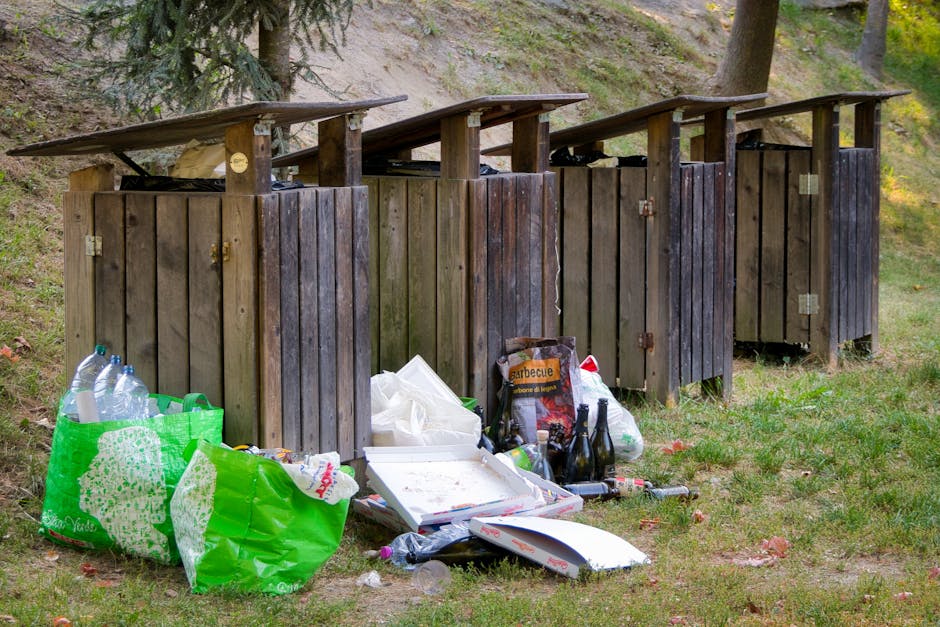
 Tipper Van - Rubbish Clearance and Waste Collection Prices in Maida Vale, W9
 Luton Van - Rubbish Clearance and Waste Collection Prices in Maida Vale, W9


