What to know about access issues for Maida Vale rubbish jobs
Posted on 10/06/2026
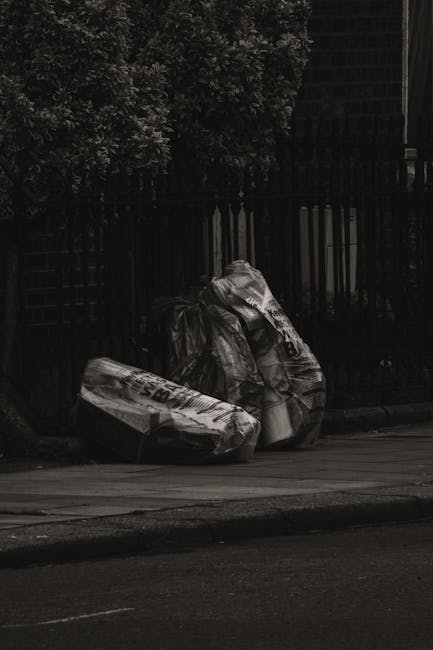
If you are booking rubbish removal in Maida Vale, access is often the difference between a smooth job and a stressful one. Tight front gardens, basement flats, shared stairwells, narrow mews-style entrances, and limited stopping space can all change how quickly a crew can work and what equipment they can safely use. That is why What to know about access issues for Maida Vale rubbish jobs matters so much: it helps you avoid delays, prevent extra handling, and set realistic expectations before the team arrives.
In practice, the access problem is rarely dramatic. It is usually something ordinary, like a van that cannot stop directly outside, a lift that is too small for bulky items, or a hallway where a wardrobe will not turn the corner. Small details, big impact. This guide walks through the real-world issues, how they affect rubbish collection, and what you can do to make the whole thing easier.
Why access issues matter in Maida Vale
Maida Vale has a lot going for it: elegant mansion blocks, converted period properties, quieter residential streets, and plenty of homes where character comes first and practical loading space comes second. That charm is part of the appeal, but it also means rubbish jobs can be more awkward than they look on a map.
Access issues matter because rubbish removal is physical work. If a team has to carry waste a long way, use stairs instead of a lift, or park further away, the job takes longer. That may affect scheduling, labour required, and the type of vehicle used. A small flat clearance can suddenly become a two-person carry rather than a quick roadside load. Not a disaster, but definitely something to plan for.
For customers, the main risk is mismatch. You may assume the crew can reverse right up to the door and load from the pavement. In reality, the building might have resident-only access, a coded gate, a narrow basement corridor, or a busy road outside. If the job is not assessed properly, the crew may need more time, more manpower, or a different approach altogether.
There is also a trust angle here. Being upfront about access helps everyone avoid guesswork. That is especially useful if you are comparing services and trying to understand why one quote seems lower than another. Sometimes the cheaper quote has simply assumed easy access. Sometimes it has not. You can probably see where that goes.
Expert summary: In Maida Vale, access is not a side issue; it is part of the job specification. The more clearly you describe stairs, parking, gates, lifts, and carrying distance, the more accurate and workable the collection plan will be.
If you are researching the area itself and how homes and streets tend to work, it can also help to read local context such as residents' views on living in Maida Vale and the Maida Vale property buying guide. Those pages give a useful feel for the kinds of buildings and layouts that often shape access.
How access issues for Maida Vale rubbish jobs work
Most rubbish removal teams start by trying to understand three things: where the waste is, how it gets to the vehicle, and how long that journey will take. That sounds simple. It rarely is. Access is the bridge between the inside of the property and the collection point outside.
In a straightforward job, waste is placed near the front of the property, the van parks close by, and everything is loaded quickly. In a more complicated Maida Vale setting, the team may need to plan for one or more of the following:
- narrow staircases with awkward turns
- lift restrictions or no lift at all
- shared entrances with timed access windows
- loading only at certain times of day
- parking bays that are full or restricted
- front doors opening onto tight pavements
- basement or lower-ground access via steps
- items that need dismantling before removal
Access planning is not just about convenience. It affects safety. A heavy sofa carried down a tight staircase is a very different task from lifting it from a ground-floor room to a van outside. If the route is cramped, the crew may need extra time, an extra person, protective padding, or a different removal sequence.
There is also the question of loading distance. A van parked directly outside a building is ideal. But if the nearest legal stopping point is around the corner or across a busy road, the team may need to trolley waste in stages or carry it by hand. That can be fine, but it has to be accounted for. Otherwise the job starts to drift.
For broader service context, you can also look at the services overview and the page on waste collection in Maida Vale, which help explain the range of collection types and how jobs are typically arranged.
Key benefits and practical advantages
Getting access details right does more than prevent problems. It can make the whole job noticeably easier, and yes, a bit calmer too.
- More accurate pricing: clear access information helps reduce surprise charges for extra labour or time.
- Faster collections: the team can arrive prepared, with the right vehicle and enough people.
- Lower risk of damage: knowing the route in advance helps protect walls, bannisters, doors, and floors.
- Less disruption: shared buildings and busy streets need careful timing, especially where residents or neighbours are nearby.
- Better sorting decisions: if space is tight, the crew may need to sequence items in a better order.
- More realistic expectations: you are less likely to be disappointed on the day if the logistics are understood early.
The other benefit is straightforward peace of mind. Nobody likes a job turning into a muddle because the wardrobe will not fit through the hallway. A little planning up front saves that awkward moment where everyone stands around, measuring by eye and hoping for the best. We have all seen that look.
For property owners, landlords, and managing agents, access planning can also protect communal relationships. A quick, tidy removal is less likely to annoy neighbours, and that matters in a place where people often live close together. If you deal with larger clearances, the pages on house clearance in Maida Vale and office clearance in Maida Vale may be useful as well.
Who this is for and when it makes sense
Access issues are relevant to almost anyone booking rubbish removal in Maida Vale, but some people need to think about them more carefully than others.
You will want to pay close attention if you are:
- in a top-floor or basement flat
- living in a converted period building with narrow stairs
- managing a property with a shared entrance or porter system
- clearing bulky furniture from a tight hallway
- dealing with builder's waste after renovation work
- running an office with restricted loading access
- organising a garden clearance where waste must pass through the house or side gate
It also matters if you are on a tight schedule. For example, if you need rubbish removed before an inventory check, a sale completion, a tenant move-out, or a refurbishment start date, access details become part of the deadline management. A delayed removal can knock other tasks off course.
Builders and tradespeople should be especially careful. Waste from a renovation can accumulate fast, and large bags of rubble, timber offcuts, or broken fittings can be harder to move than expected. For that kind of work, it helps to read about builders' waste disposal in Maida Vale before booking.
And if you are clearing outside spaces, a quick look at garden waste removal in Maida Vale can be helpful too, because access through front gates, shared paths, or side alleys often changes the removal plan.
Step-by-step guidance
If you want to avoid headaches, the best approach is simple: describe the access clearly, visually if possible, and early. Here is a practical way to handle it.
- Walk the route from waste to vehicle. Notice every door, stair, turn, gate, and step. If a sofa needs to pivot, say so.
- Check parking and stopping options. Can a van park outside legally, or will it need to stop elsewhere? If the road is busy, mention that.
- Measure the awkward bits. Hallway widths, stair width, lift door size, and ceiling clearance can all matter.
- Flag special building access. Codes, keys, concierge desks, resident passes, and timed entry windows should all be shared in advance.
- List the bulky items separately. Wardrobes, beds, sofas, white goods, and large office furniture are the usual troublemakers.
- Ask how the crew handles difficult access. Some jobs need extra labour, others need dismantling, and some need a different vehicle size.
- Send photos if possible. A couple of clear pictures of the stairwell, hallway, or loading point can save a lot of back-and-forth.
- Confirm the arrival point on the day. Even a well-planned job can be affected by a parked car, roadworks, or a locked entrance.
A quick anecdote from the real world: a customer once assumed a washing machine could be "just carried down" from a lower-ground flat. The machine was fine. The final corner in the stairwell was not. Two minutes of measuring beforehand would have saved twenty minutes of careful shuffling and one very patient sigh. Happens all the time, honestly.
If you are near transit-heavy areas or busier roads, local route knowledge helps as well. The Maida Vale Station rubbish collection guide and the note on bulky pickup on Sutherland Avenue both reflect the kind of access constraints that can crop up in nearby streets.
Expert tips for better results
The best access advice is usually the boring advice, which is often the useful stuff. Here are the habits that make a noticeable difference.
- Be specific, not general. "Parking is awkward" is less useful than "the nearest legal stop is around 40 metres away."
- Identify the heaviest item early. The bulkiest object often decides the method, not the total bag count.
- Think about weather. Rain, icy steps, and slippery paths can slow the job down and affect carrying safety.
- Clear the route before the crew arrives. Shoes, plant pots, bicycles, and hallway clutter can turn a simple carry into a squeeze.
- Keep neighbours in mind. In shared buildings, a little notice helps avoid complaints and door traffic.
- Ask about dismantling. Sometimes removing legs, doors, or shelving first makes a huge difference.
Another good habit is to compare how different jobs are described. The same flat may be easy for bagged general waste but awkward for a sofa or mattress. That distinction matters, especially if you are choosing between furniture and general clearance. The page on furniture disposal in Maida Vale can help frame that decision.
And if you are unsure about price expectations, the resource on pricing and quotes is a sensible place to check how jobs are usually assessed. Truth be told, a quote is only as good as the information behind it.

Common mistakes to avoid
Most access problems are preventable. The frustrating part is that people often only discover them on the day.
- Assuming the van can park outside. In Maida Vale, that is not always a safe assumption.
- Forgetting about basement steps. Lower-ground access is easy to overlook when you are focused on the room itself.
- Not mentioning lifts. A lift can be helpful, but only if it is large enough and available when needed.
- Underestimating the size of furniture. Flat-pack is one thing; a solid wardrobe is another.
- Leaving access details until the last minute. The crew cannot plan around information they do not have.
- Ignoring shared-building rules. Some blocks have strict collection windows or gate procedures.
- Skipping photos. A photo would have answered the question. Every time.
There is a related issue too: hidden costs. If a job becomes more difficult than expected because of access, a poor quote can look fine at first and then become frustrating later. That is one reason it is worth reading how to avoid hidden charges in Maida Vale rubbish removal before you commit.
If you have already had a booking problem, you are not alone. The article on common problems booking Maida Vale rubbish collection is a practical companion piece and covers the kinds of issues that tend to crop up around access and scheduling.
Tools, resources and recommendations
You do not need special equipment to assess access well, but a few simple tools help a lot.
- Measuring tape: useful for doors, stair widths, and awkward gaps.
- Phone camera: photos of hallways, entrances, and parking points are genuinely helpful.
- Floor plan or estate-agent layout: even a rough plan can clarify routes and bottlenecks.
- Notes app: keep track of gate codes, time restrictions, and special instructions.
- Photo of the largest item: one image can show scale better than a long explanation.
For people wanting a broader sense of the company, pages like about us, insurance and safety, and payment and security are worth a read. They help establish how jobs are handled, what safeguards exist, and how transactions are managed. Nothing flashy, just useful reassurance.
You may also find the company's recycling and sustainability page helpful if you want to understand how collected waste is sorted and treated after pickup. That is not access-specific, but it matters to many customers all the same.
Law, compliance, standards, or best practice
Access planning for rubbish removal should always be handled with basic UK safety and property-care expectations in mind. You do not need to become a compliance expert to get this right, but a few principles matter.
First, access must be safe for workers, residents, and neighbours. That means avoiding blocked exits, moving heavy items carefully, and not forcing large waste through routes that are clearly too tight. If something looks risky, it probably is. Better to pause and reassess than to crack a wall, damage a bannister, or injure someone's back.
Second, building rules matter. Many flats and managed properties have procedures about shared areas, lift use, and loading times. Those rules are not there for fun, even if they sometimes feel inconvenient. They help protect common spaces and reduce disruption.
Third, rubbish should be handled by a lawful, insured service with appropriate care around sorting, removal, and disposal. If you are comparing providers, look for signs of clear terms, proper safety information, and straightforward communication. The pages on terms and conditions and accessibility statement can also help you understand how a service frames responsibility and access support.
Finally, if a property has restricted access because of disability, mobility, or health needs, communication becomes even more important. A considerate provider should be willing to discuss the safest practical route rather than forcing a one-size-fits-all approach. That is just decent practice, really.
Options and comparison table
Different access setups call for different approaches. Here is a simple comparison to help you think it through.
| Access situation | Typical challenge | Best practical approach | What to tell the crew |
|---|---|---|---|
| Ground-floor flat with street parking | Usually low complexity, but stopping space may be limited | Plan the loading point and keep the route clear | Nearest parking option, entry code, largest item size |
| Upper-floor flat with stairs | Carrying distance and staircase turns | Measure turns, identify bulky items, allow more time | Number of flights, stair width, lift availability |
| Basement or lower-ground property | Steps, narrow landings, wet or dim routes | Use protective handling and pre-check the staircase | Steps, handrails, turning points, lighting |
| Managed block with shared access | Concierge rules, timed access, shared corridors | Coordinate arrival time and building permissions | Access window, gate procedure, resident instructions |
| Busy street with limited stopping | Longer carry from van to property | Allow extra labour time and plan the route carefully | Nearest legal stop, traffic pattern, loading limits |
This table is not a rigid rulebook; it is a simple way to think about logistics before the job starts. The main point is that access changes the shape of the work. Once you accept that, booking becomes much easier.
Case study example
Here is a realistic example, without the drama. A resident in a period conversion near a busy Maida Vale road needed a small flat clearance after a move. On paper, it sounded easy: a few bags, a chair, a bookcase, and one bed frame. Then they mentioned the staircase was narrow, the lift was out of service, and the van would need to stop several doors away because of parking pressure.
That changed the plan completely. Instead of a quick grab-and-go job, the collection needed a careful route, extra carrying time, and a sensible order for loading. The bed frame was broken down first. Fragile items were carried separately. The team kept the hallway clear and avoided blocking the shared entrance for longer than needed. Nothing heroic. Just preparation.
The important lesson was not that the job was impossible. It was not. The lesson was that good access information turned a potentially messy situation into a manageable one. And in a neighbourhood where many properties have character, stairs, and little quirks of their own, that is often the difference between a smooth visit and a very long morning.
For customers dealing with specific item types, the local guides on bulky rubbish pickup and station-area rubbish collection can provide extra context on the sort of access conditions that commonly show up in real bookings.
Practical checklist
Use this checklist before you book. It is simple, but it works.
- Have I described the exact property type?
- Have I said how many stairs there are?
- Is there a lift, and does it fit bulky items?
- Can a van stop nearby legally and safely?
- Do I know the widest and tightest points on the route?
- Have I mentioned any gates, codes, or concierge steps?
- Have I separated bulky items from bagged waste?
- Have I sent photos of the entrance, hallway, or stairwell?
- Do I need the team to dismantle anything first?
- Have I checked whether the job time could affect neighbours or building rules?
If you can answer yes to most of these, you are already ahead of the curve. If not, no problem. That is exactly the kind of thing worth clarifying before collection day.
Get a free quote today and see how much you can save.
Conclusion
Access issues are one of those small details that can quietly shape an entire rubbish job. In Maida Vale, where homes and streets often have tight entrances, stairs, parking pressure, and shared access rules, the details matter even more. The good news is that they are easy to manage once you know what to look for.
Be precise, send photos, think through the route, and speak up about anything awkward. That is the whole game, really. When the access is clear, the job feels calmer, the quote is more reliable, and the collection is far less likely to turn into a last-minute puzzle.
And if all you remember is this: the shortest path is not always the simplest one. A little planning goes a long way.
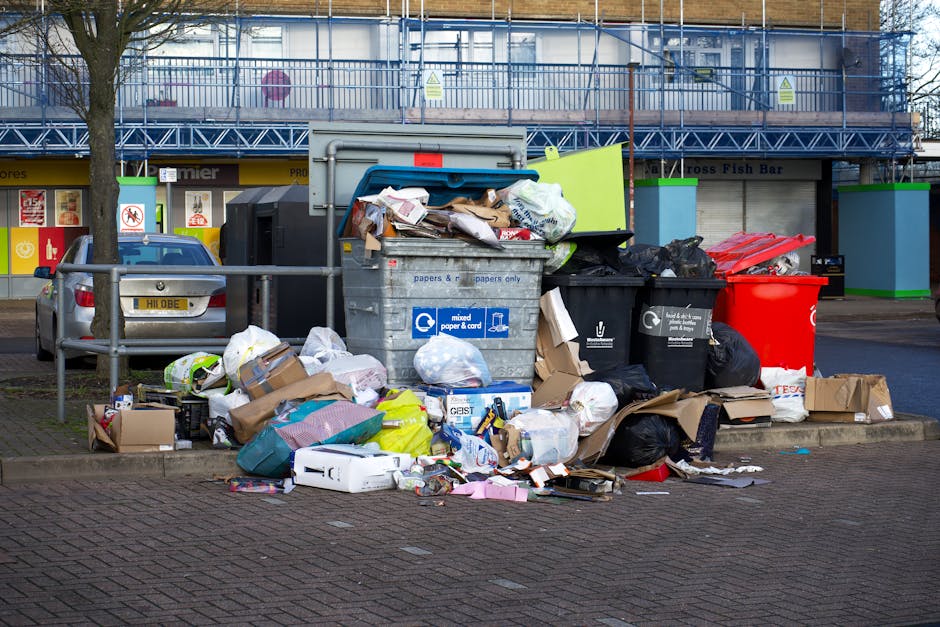
 Tipper Van - Rubbish Clearance and Waste Collection Prices in Maida Vale, W9
 Luton Van - Rubbish Clearance and Waste Collection Prices in Maida Vale, W9


